Unlocking the Benefits of Mainframe Modernization Training
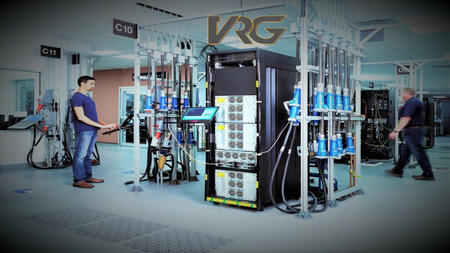
Introduction:Mainframe technology has been the backbone of many industries for several decades. However, as technology evolves, mainframe systems become increasingly outdated and unable to meet the demands of modern businesses. Mainframe modernization is necessary to remain competitive, and it requires a skilled workforce to implement it successfully.In this article, we will discuss the benefits of mainframe modernization training and why it is essential for businesses looking to remain relevant in today's digital landscape.The Need for Mainframe ModernizationMainframe technology is often associated with outdated systems that cannot keep up with the demands of modern businesses. The need for mainframe modernization is driven by several factors, including:Increased Demands: As businesses grow, the demands on their technology systems increase, and mainframe systems may no longer be able to keep up.Cost Reduction: Modernization can help reduce costs associated with maintaining and supporting outdated systems.Improved Productivity: Modernization can streamline processes, increase efficiency, and improve productivity, ultimately leading to a better bottom line.Benefits of Mainframe Modernization TrainingMainframe modernization training provides several benefits, including:Skill Development: Training enables professionals to develop new skills and stay up-to-date with the latest technologies, making them more valuable to their organizations.Cost Reduction: Trained professionals can help identify opportunities to reduce costs associated with outdated systems and implement new, more efficient solutions.Increased Efficiency: Trained professionals can help streamline processes and optimize mainframe systems, improving overall efficiency and productivity.Types of Mainframe Modernization TrainingMainframe modernization training comes in several forms, including:Online Training: Online training courses offer flexibility and convenience, allowing professionals to learn at their own pace and on their own schedule.Classroom Training: Classroom training offers a more traditional approach to learning, with structured classes and in-person instruction.On-the-Job Training: On-the-job training provides hands-on experience, allowing professionals to apply their skills in real-world scenarios.Challenges of Mainframe Modernization TrainingMainframe modernization training is not without its challenges, including:Cost: Training programs can be expensive, and businesses may need to consider their return on investment when making training decisions.Time Constraints: Modernization projects often have tight deadlines, leaving little time for training.Resistance to Change: Resistance to change is a common challenge when implementing new technologies and processes.Future of Mainframe Modernization TrainingAs technology continues to evolve, mainframe modernization training will become increasingly essential. The future of mainframe modernization training is promising, with new technologies and innovative training methods on the horizon. Here are some of the trends that will shape the future of mainframe modernization training:Cloud-Based Training: Cloud-based training offers flexibility and accessibility, making it easier for professionals to learn at their own pace and on their own schedule.Virtual Reality Training: Virtual reality training provides a hands-on, immersive learning experience, allowing professionals to practice their skills in a simulated environment.Continued Innovation: As technology continues to evolve, mainframe modernization training will need to adapt and innovate to keep pace with new developments.Conclusion:Mainframe modernization training is essential for businesses looking to remain relevant in today's digital landscape. It provides professionals with the skills and knowledge needed to implement modernization projects successfully, reducing costs, increasing efficiency, and improving productivity. While there are challenges to overcome, the future of mainframe modernization training is promising, with new technologies and innovative training methods on the horizon.Text